
Understanding Possum Problems on the Central Coast
Possums are a familiar part of Australian wildlife, and on the Central Coast, they are often seen moving through trees, fences, rooftops, and gardens after sunset. While they may look harmless, problems begin when they find a way into your roof, wall cavity, shed, or garage. Once inside, possums can create loud scratching noises, leave droppings, damage insulation, and disturb your household at night.
Many homeowners start searching for possum removal near me when they hear movement above the ceiling or notice unusual smells around the roof space. The challenge is that possums are not ordinary pests. They are native animals and must be handled carefully, safely, and legally. That is why professional support is often the best option for protecting both your home and the animal.
For local homeowners, Possum Removal Central Coast: Safe Ways to Protect Your Home is more than a simple service idea. It is about using humane methods, identifying entry points, preventing future access, and keeping your property secure without causing harm to protected wildlife.
Why Possums Enter Homes
Possums usually enter homes because they are looking for warmth, shelter, and safety. Roof spaces are especially attractive because they are dry, dark, and protected from predators. During colder months, possums may seek out roof cavities as nesting areas. In suburban areas, homes often provide easier shelter than natural tree hollows, especially where land development has reduced suitable habitat.
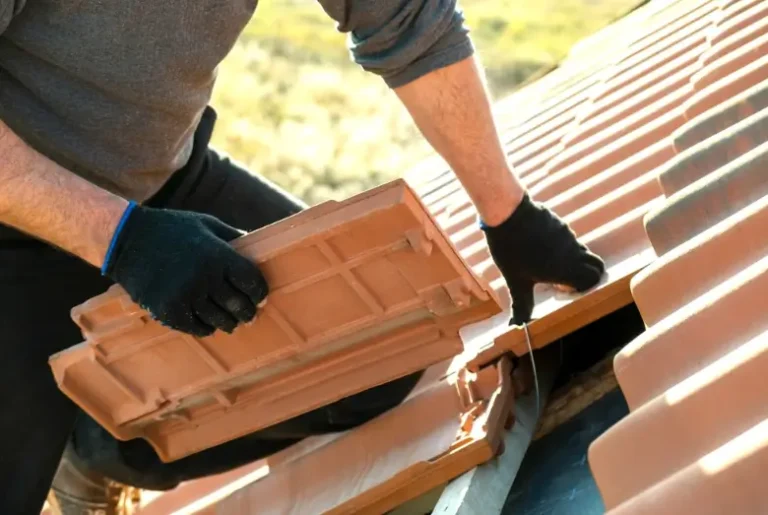
Common access points include broken roof tiles, loose eaves, gaps near gutters, damaged vents, open chimneys, and spaces around pipes or wiring. Sometimes, a possum may enter through a small opening and gradually widen it over time. Once the animal becomes comfortable, it may return to the same space again and again.
Food can also attract possums. Open bins, pet food left outside, fruit trees, vegetable gardens, and uncovered compost can encourage nightly visits. When possums learn that a property offers both food and shelter, they are more likely to settle nearby.
Signs You May Need Possum Removal
The most obvious sign of a possum problem is noise at night. Possums are nocturnal, so scratching, thumping, running, or dragging sounds after dark may indicate activity in the roof. These sounds are often louder than people expect because ceiling spaces can amplify movement.
Other signs include droppings around entry points, stains near roof gaps, unpleasant odours, damaged insulation, chewed materials, and disturbed garden areas. You may also see a possum entering or leaving the roof around dusk.
Some homeowners mistake possum activity for rats or birds. However, possums are usually heavier, so the sound of movement is often stronger and slower. If you are unsure, it is safer to have the situation inspected rather than attempting to handle it yourself.
Searching for possum removal near me can help you find a local expert who understands Central Coast homes, roof designs, and common possum entry points. Local experience matters because the right solution depends on the property layout and the animal’s behaviour.
See also: Look Family Exteriors Martinsburg: Trusted Exterior Home Improvement Services
Why DIY Possum Removal Can Be Risky
It may be tempting to block a hole, set a trap, or try to scare the animal away. However, DIY removal can create bigger problems. If a possum is trapped inside your roof, it may panic, cause more damage, or suffer unnecessarily. In some cases, young possums may be left behind if the adult is removed incorrectly.
Handling wildlife without proper knowledge can also be unsafe. Possums may scratch or bite if they feel threatened. Roof spaces can be dangerous too, especially where insulation, electrical wiring, low visibility, and unstable surfaces are involved.
Another common mistake is sealing entry points too early. Before closing gaps, it is important to confirm that no animal remains inside. A professional will usually inspect the property, identify the species, locate entry points, and apply humane removal methods before securing the home.
Humane Possum Removal Matters
Responsible possum management focuses on safety and prevention, not harm. Possums are part of the natural environment and play a role in local ecosystems. The goal is to move them out of unsuitable living spaces and stop them from returning, while treating them carefully.
Humane removal may involve inspection, controlled exclusion, one-way exit systems, and sealing entry points after the possum has left. In many cases, a suitable nesting box may also be recommended nearby so the animal has an alternative shelter away from your roof.
This approach protects your home while reducing stress for the possum. It also helps prevent repeat problems because the animal is not simply removed without addressing the reason it entered in the first place.
For homeowners looking for Possum Removal Central Coast: Safe Ways to Protect Your Home, the best service is one that combines wildlife knowledge with practical property protection.
How Professionals Inspect Your Property
A good possum removal process begins with a careful inspection. The technician will look for roof gaps, broken tiles, lifted flashing, loose vents, damaged eaves, and other weak points. They may also check droppings, tracks, nesting material, and noise patterns to confirm possum activity.
The inspection helps determine whether the animal is currently inside, how it is entering, and what repairs may be needed. This step is important because removing the possum without fixing access points usually leads to the same problem returning.
Professionals also understand the difference between possums, rats, birds, and other animals. This matters because each situation requires a different solution. Accurate identification saves time, reduces unnecessary work, and helps prevent damage.
Protecting Your Roof and Ceiling Space
Once the possum has been safely excluded, the next step is prevention. Roof protection is one of the most important parts of long-term possum control. Even a small opening can become an access point, so sealing gaps properly is essential.
Common prevention steps include repairing broken tiles, securing vents, fixing loose eaves, covering gaps around pipes, trimming tree branches away from the roof, and installing strong mesh where needed. Gutters should also be kept clean because overgrown debris can make roof access easier.
Tree branches are especially important on the Central Coast, where many homes are close to bushland or leafy streets. Possums are excellent climbers and can easily use branches as bridges to reach rooftops. Keeping branches trimmed back can reduce the chance of repeat visits.
Reducing Food Sources Around the Home
Possum prevention is not only about the roof. Outdoor habits also make a difference. Secure your rubbish bins with tight lids, avoid leaving pet food outside overnight, pick up fallen fruit, and cover compost properly. If you grow vegetables, consider using protective netting that is safe for wildlife.
Outdoor lighting may discourage some activity, but it is not a complete solution. Possums are adaptable, and if your property offers food and shelter, they may continue returning. The most effective approach is to combine food control, roof repairs, and professional exclusion methods.
Small changes can make your property less attractive without harming local wildlife. This is especially useful for homes near reserves, parks, and coastal vegetation where possums are naturally active.
Choosing a Local Possum Removal Service
When choosing a service, look for experience, humane methods, and local knowledge. A professional should explain the process clearly, inspect the property properly, and focus on long-term prevention. Avoid services that offer quick removal without checking entry points or providing advice on future protection.
A reliable provider should also understand how to work safely around roof spaces and should use methods suitable for Australian wildlife. Clear communication is important. You should know what was found, what work was done, and what steps are needed to stop the issue from coming back.
If you are searching for possum removal near me, choose someone who works regularly across the Central Coast. Local providers are more familiar with the area’s housing styles, wildlife patterns, and common roof access problems.
When to Act Quickly
Possum issues should not be ignored. The longer a possum stays in your roof, the more comfortable it becomes. Over time, droppings, odours, insulation damage, and noise can become worse. If the animal creates a nesting area, removal may become more complicated.
You should act quickly if you hear repeated night-time movement, notice a strong smell, see roof damage, or spot a possum entering your home. Early action can reduce repair costs and make the removal process simpler.
Fast response is also important for household comfort. Interrupted sleep, constant noise, and uncertainty can be stressful. A proper inspection gives you peace of mind and a clear plan.
A Safer Home Starts with the Right Approach
Possums are a natural part of life on the Central Coast, but they do not belong inside your roof. The safest solution is not panic, poison, or rough handling. It is a careful, humane approach that removes the animal from the wrong place and prevents it from returning.
By understanding the signs, reducing attractants, repairing roof gaps, and choosing a qualified local service, homeowners can protect their property without harming wildlife. Whether you are dealing with late-night scratching, roof damage, or repeated visits, professional help can make the process safer and more effective.
For anyone searching for Possum Removal Central Coast: Safe Ways to Protect Your Home, the key is to act early, choose humane methods, and focus on long-term prevention. With the right support, your home can stay quiet, secure, and protected while local wildlife remains safely where it belongs.